Why LDAR (Leak Detection and Repair) is Crucial for Business Sustainability
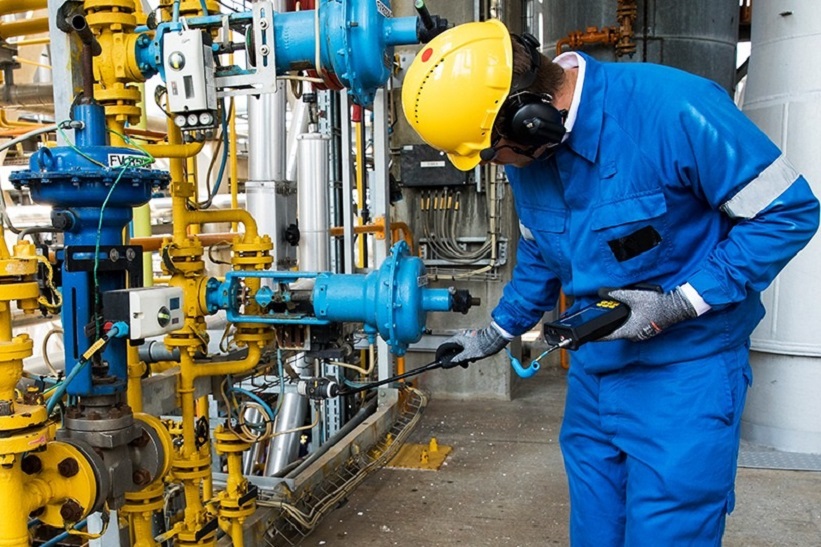
In today's rapidly changing world, where environmental consciousness and regulatory compliance are becoming increasingly important, Leak Detection and Repair (LDAR) is emerging as a critical aspect of business operations. LDAR refers to the systematic identification, monitoring, and mitigation of fugitive emissions from industrial facilities, particularly those in the oil and gas, chemical, and manufacturing sectors. While LDAR might seem like a niche concern, its impact on business sustainability and profitability cannot be overstated.
Environmental Stewardship
One of the primary reasons why LDAR is essential for businesses is its role in environmental stewardship. Fugitive emissions, which include leaks of gases such as methane, volatile organic compounds (VOCs), and hazardous air pollutants (HAPs), can have detrimental effects on air quality, human health, and the environment. By implementing robust LDAR programs, businesses can minimize their environmental footprint and demonstrate a commitment to sustainability.
Regulatory Compliance
In many jurisdictions, regulatory agencies impose stringent requirements on industrial facilities to monitor and control fugitive emissions. Failure to comply with these regulations can result in hefty fines, legal penalties, and reputational damage. LDAR programs help businesses stay ahead of regulatory changes, ensure compliance with emission standards, and mitigate the risk of non-compliance-related costs.
Operational Efficiency
Beyond regulatory compliance and environmental stewardship, LDAR also contributes to operational efficiency. Leaks in equipment and piping systems not only lead to emissions but also represent energy and product losses. By promptly detecting and repairing leaks, businesses can reduce waste, improve energy efficiency, and optimize production processes. This, in turn, enhances operational performance and cost-effectiveness.
Public Perception and Reputation
In an era of heightened corporate social responsibility, public perception plays a significant role in shaping a company's reputation. Businesses that prioritize environmental protection and demonstrate proactive measures to address emissions are likely to earn the trust and loyalty of stakeholders, including customers, investors, and communities. Conversely, incidents of pollution or environmental negligence can tarnish a company's image and erode stakeholder confidence.
Economic Benefits
While investing in LDAR programs may entail upfront costs, the long-term economic benefits are substantial. By reducing emissions and improving operational efficiency, businesses can lower their environmental liabilities, minimize regulatory risks, and enhance their bottom line. Moreover, as sustainability becomes a key differentiator in the marketplace, companies that embrace LDAR and environmental best practices may gain a competitive edge and access new markets.